Sun exposure, hormones, genetics, acne, medication and previous procedures can all play a part. Daily skincare, smoking, sleep and stress may also be relevant to understanding changes in your skin.
Smoother skin · glow · firmness · even tone
The skin you want.
Smoother skin, a more even colour or improved firmness: the starting point is the change you would like to see. The three areas below help you explore the options.
Colour & pigmentation
A more even tone.
First, understand the colour.
Uneven colour is not always a pigment problem. Dark marks and persistent redness can need different approaches. That distinction matters before we choose a treatment.
Smoothness & glow
Smoothness,
texture and light.
“Glow” is a way of describing how skin looks in the light. Hydration and the surface both matter. Roughness, dryness and scarring can look similar in a photograph but need different care.
Firmness
When skin feels
less firm.
Looser skin, fine creasing and a change in facial shape are not always the same concern. I assess skin firmness separately from loss of volume before recommending an approach.
One individual case · 04Skin quality.
Skin quality.
Before & after.
Individual results vary. Images are shared with consent and do not predict another patient’s outcome.
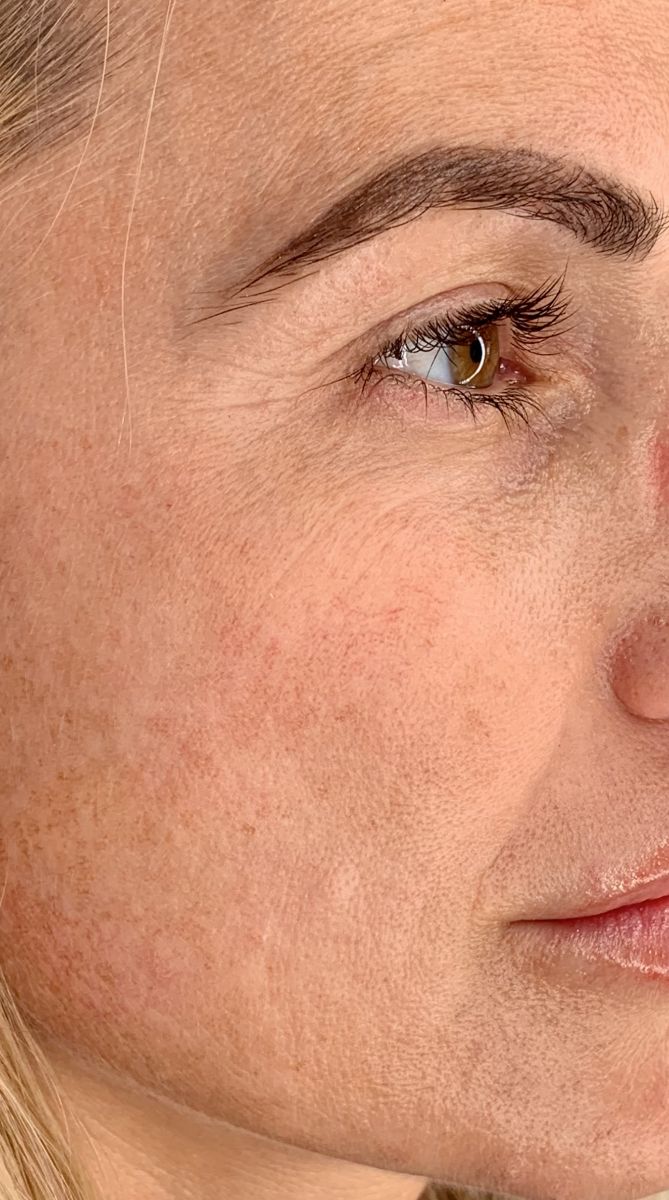
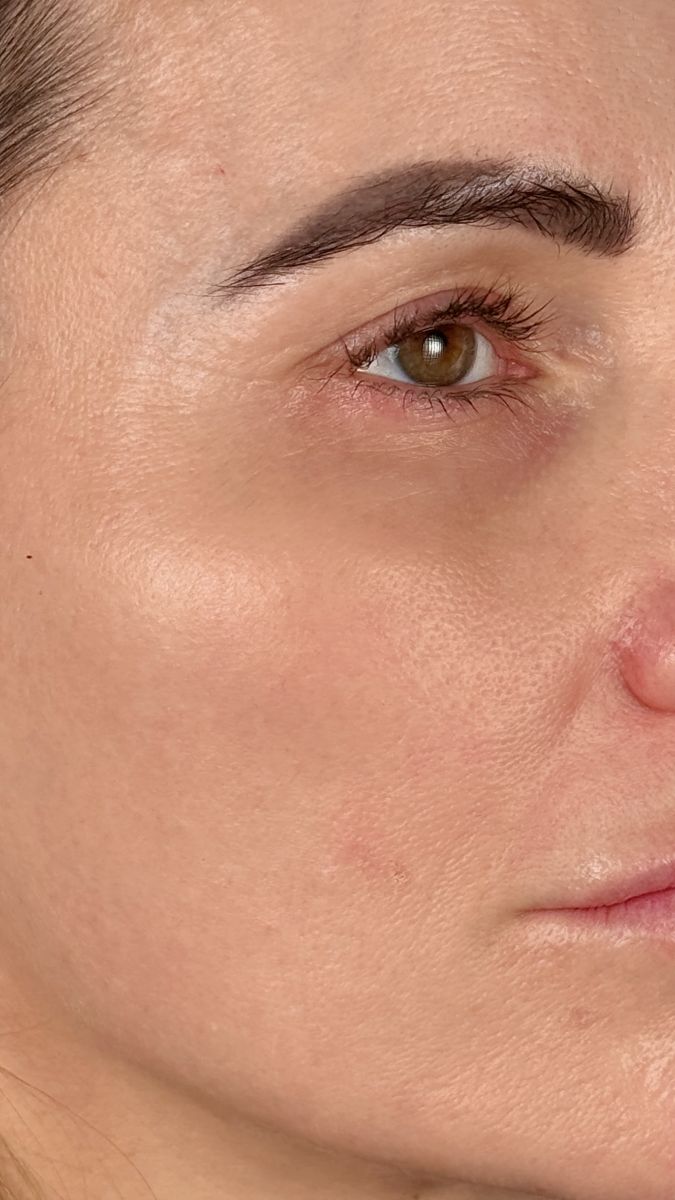
Microneedling, TCA Refresh and TCA skin resurfacing
A treatment plan combining three microneedling sessions, TCA Refresh and TCA skin resurfacing, complemented by a home skincare routine.
Your expectationsWhat might realistic
improvement look like?Results, recovery and knowing when to review the plan.
improvement look like?Results, recovery and knowing when to review the plan.
What could improvement look like?
We agree a specific change to work towards: for example, a more even colour or less noticeable scars. Improvement does not mean flawless skin, and the likely extent of change depends on the concern and treatment.
How long might improvement take?
It depends on the concern and the treatment. Changes in hydration may be noticed sooner than changes in scars or firmness, which can take longer to develop. I explain the likely timescale for the treatment we are considering, including when to assess its effect and whether a course may be needed.
What if there is little time for recovery?
Mention this before choosing a procedure. Recovery time is part of the decision, alongside benefit and risk. A different method, later appointment or skincare-only plan may suit your circumstances better.
Why might a previous treatment have made little difference?
The treatment may not have addressed the main cause, or the expected change may have been greater than it could deliver. Timing, continuing triggers and individual response also matter. I would review what you had, when it was done and what changed before recommending more treatment.
How is progress reviewed?
We compare the result with the aim agreed at the start. With your consent, photographs help us track visible changes alongside how your skin feels. I use that review to decide with you whether to continue, adjust or stop.
Looking after your skin over time.
Looking after your skin is a long-term commitment. I think of it a little like building strength at the gym: a week or two of effort is not the same as a routine you maintain over years.
For skin, that means consistent daily care and sun protection, with treatments where they have a useful role. Daily skincare and a course of treatments serve different purposes. If I recommend treatments, I explain their purpose and how they fit alongside your skincare. [1]
That does not mean having procedures indefinitely. I explain which treatments may need repeating, allow time for recovery and review whether continuing is worthwhile.
A closer look
Understanding your skin
What affects skin tone, texture and firmness?
Which part of the skin is involved?
The surface and its barrierThe outer barrier — part of the epidermis.
Where it sits
The barrier is mainly formed by the outermost part of the epidermis, called the stratum corneum. It is part of the surface layer, not a separate layer underneath it. [2]
What it does
Flattened cells and the fats between them help limit water loss and keep irritants out. This explains why water content and barrier function are closely related.
The epidermisThe outer skin layer, involved in renewal and colour.
Where it sits
The epidermis is the outer skin layer. Cells move towards the surface as they mature; pigment-producing cells sit near its base. [2]
Why it matters
Renewal and pigment both involve this layer. A pigment-producing cell’s location does not, by itself, tell us how deep a visible mark extends or which treatment it needs.
The dermis and its matrixThe deeper skin layer, involved in firmness and scarring.
Where it sits
The dermis lies beneath the epidermis. It contains collagen, elastin, blood vessels and other structures within a water-holding matrix. [2]
Why it matters
It supports the skin and contributes to its strength and elasticity. The fatty layer beneath it is separate, which is why improving skin firmness and restoring facial volume are different treatment objectives.
What else can affect skin quality?
Accumulated sun exposurePhotoageing — changes that can affect several parts of the skin.
What sun exposure can change
Repeated sun exposure can affect pigment, the deeper supporting network and blood vessels. Some sun-related skin changes need medical assessment.
Changes you might notice
Uneven tone with a pattern that follows exposure, roughness, fine lines that appeared earlier than expected, and changes in skin firmness.
How care may help
The plan depends on the change being treated: pigmentation, surface texture and loss of firmness need different approaches. Consistent broad-spectrum sun protection helps limit further damage.
What to keep in mind
Treatment cannot reverse every effect of sun exposure. A changing, bleeding or unusual lesion needs medical assessment before cosmetic treatment.
Does that mean I need to change my lifestyle?
Only where a change is relevant and practical for you. I would explain what it could help with, rather than give you a generic list.
Could my skincare routine be part of the problem?
Yes. Products that sting or repeatedly irritate the skin may be contributing. A review of what you use and when symptoms began can help identify the problem. Simplifying the routine may help more than adding another active ingredient.