The change you may want.
A useful starting point is the specific change you would like: softening a wrinkle, improving definition or making subtle adjustments to your facial features.
Face & Structure is about the shape, contours and proportions of your face — at rest and in movement.
That concerns the skin itself: smoothness, glow, firmness, colour and pigmentation.
Explore Skin QualityThe two can overlap. Understanding what is causing the change you notice helps identify which approach may help.
A combined treatment plan focused mainly on dermal fillers and home skincare. These photographs show the overall result of the plan, rather than the effect of one treatment alone.
They show one person’s outcome and cannot predict what would change for you.
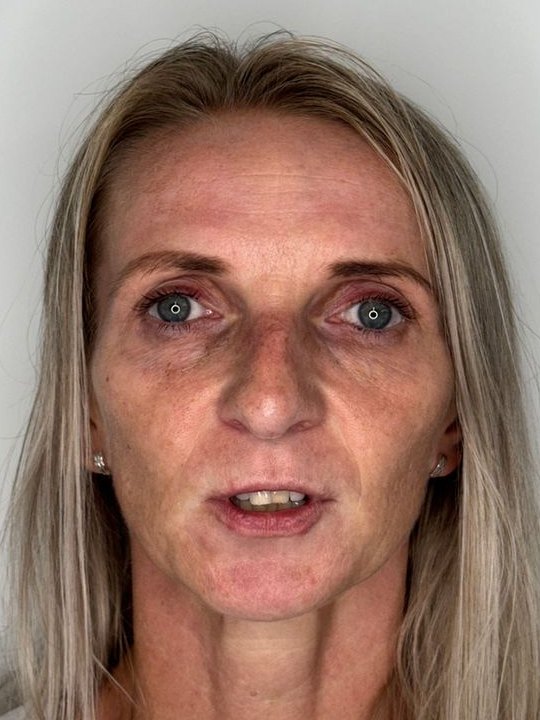
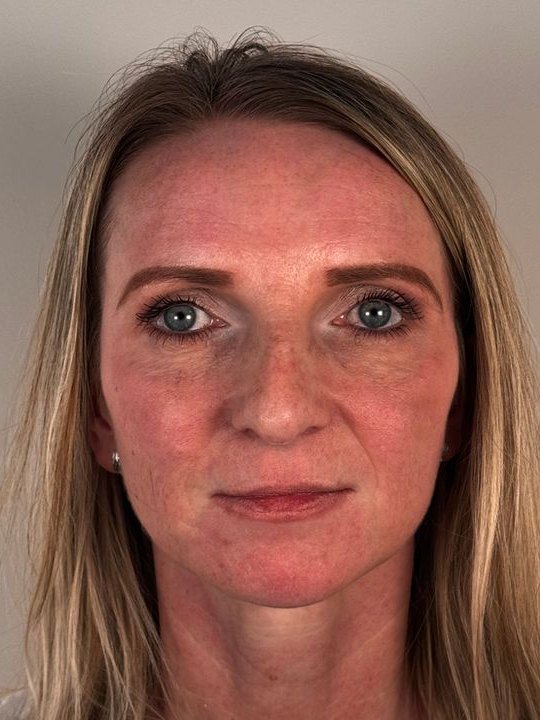
“Natural”, “subtle” and “refreshed” do not mean the same thing to everyone.
A useful starting point is the specific change you would like: softening a wrinkle, improving definition or making subtle adjustments to your facial features.
Treatment is not about erasing your features or every sign of ageing. The aim is to enhance a feature or restore some lost fullness or definition, while preserving your expression and what makes your face recognisably yours.
The risks and recovery also need to be properly explained. These will be discussed fully with you during your consultation, before any treatment. You can also find information about the risks, recovery and aftercare for each procedure in the individual treatment guides.
The assessment starts with your concerns, medical history and previous treatments. Your face is examined at rest and in movement, from the front, at an angle and in profile.
The discussion should leave you clear about suitable options, likely benefit, risks, recovery and cost — including whether treatment is worthwhile.
Bone provides the framework; fat contributes fullness; supporting tissues hold structures in place; muscles create movement; and skin covers them. Changes in any of these can affect facial contours.[1]
This is why a change in shape does not always mean more volume is needed, and why the face is assessed as a whole.
No. There is no single ratio that defines the right result for everyone.[4] What matters is how a proposed change would sit alongside your other features. Some asymmetry is normal and does not automatically need correction.
Treatment may not be worthwhile if it cannot address the concern or if the likely benefit does not justify the risks, cost or recovery. A medical issue may need attention first, or a different approach may be more suitable.
Those limits should be explained before you decide, including the option of no treatment.
These sources support the explanation of facial anatomy and ageing. They do not establish that a particular treatment is right for you. Procedure-specific evidence and risks are discussed in the treatment guides.